Apple 50th Anniversary: A Retro Tech Journey
Introduction
Few companies inspire nostalgia quite like Apple. From hand‑soldered circuit boards in a California garage to sleek, sealed devices in millions of hands worldwide, the Apple 50th anniversary history timeline is more than a corporate milestone — it’s a cultural touchstone. On April 1, 1976, Steve Jobs, Steve Wozniak, and Ronald Wayne founded Apple Computer Company with a passion for accessible personal computing that would ripple across technology and society for decades to come.
Today, Apple stands as one of the most influential technology companies on Earth, with devices and services that shape how billions work, create, and connect. From early machines like the Apple I and Apple II to groundbreaking products like the iPhone and Vision Pro, Apple’s evolution reflects not just technical ingenuity but a design philosophy rooted in human experience.
In this article, we’ll take a nostalgic, in‑depth look at Apple’s journey over five decades — from the garage era and personal computing revolution, through dramatic highs and lows, to the expansive ecosystem of products in 2026. We’ll explore how Apple’s philosophy evolved, its most iconic innovations, and how Apple 50 years of innovation milestones continue to resonate with retro technology enthusiasts today.
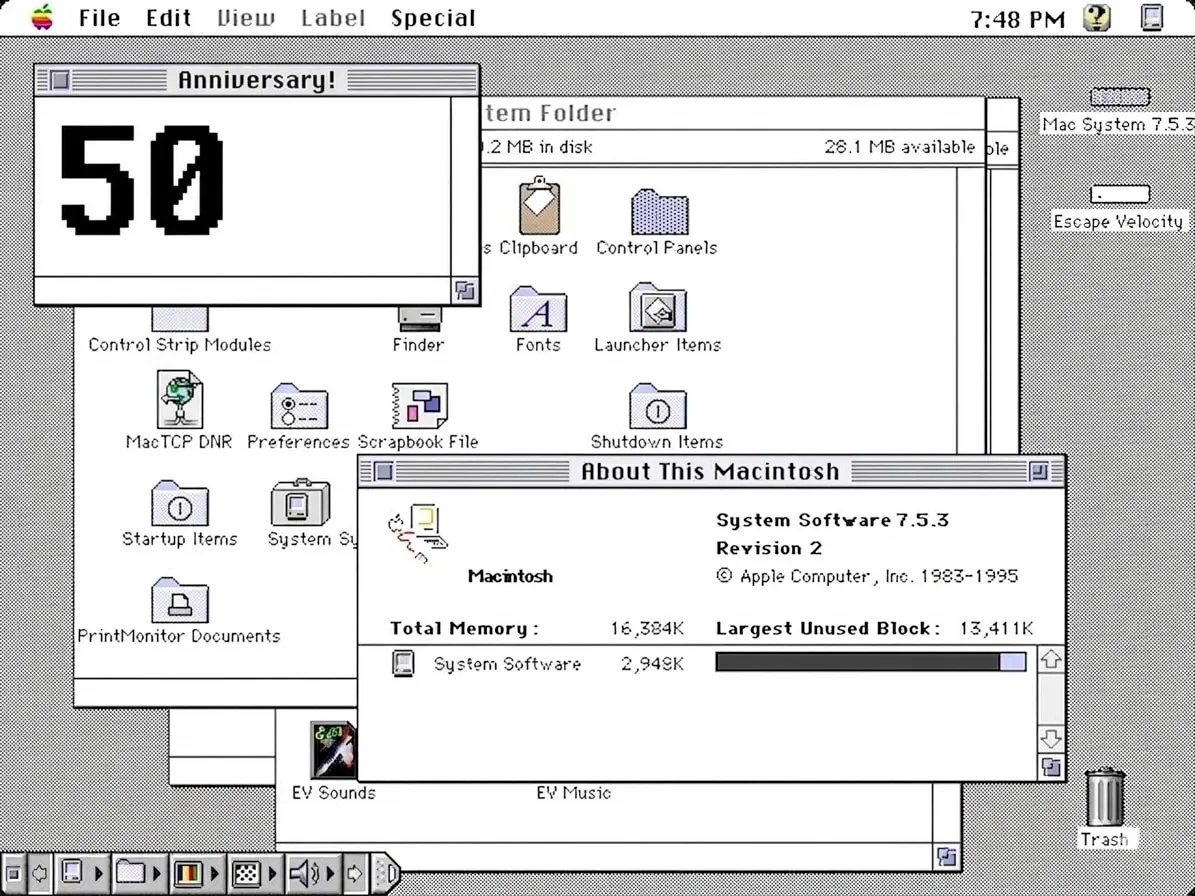
The Garage Era and the Birth of Personal Computing (1970s)
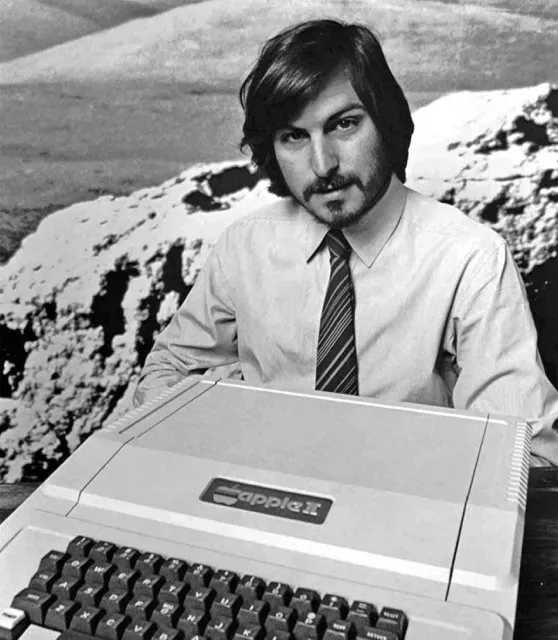
Apple’s story began not in a corporate headquarters, but amid tools, wires, and ambition in a Los Altos garage. On April 1, 1976, Steve Jobs and Steve Wozniak launched Apple Computer Company, driven by a vision to put computing into the hands of ordinary people. This audacious dream was rooted in the burgeoning microcomputer culture that flourished in hobbyist communities like the Homebrew Computer Club, where early enthusiasts shared ideas and innovations.
The first product, the Apple I, was a handmade circuit board — not a polished consumer machine, but a working computer that enthusiasts could expand and customize. Its simplicity and openness embodied the era’s ethos: accessible computing for all. While the original Apple I was a niche product, it laid the groundwork for Apple’s future and became a cherished symbol of retro computing culture among collectors today.
Just a year later, in 1977, Apple released the Apple II, a fully assembled microcomputer that transformed the landscape of personal computing. Designed by Wozniak, the Apple II featured color graphics, expansion slots, and a built‑in keyboard — making it far more approachable to mainstream users. Its popularity in schools, homes, and small businesses helped spark the first real wave of personal computer adoption, and its extensive software library included early hits like the VisiCalc spreadsheet program.
For enthusiasts, this decade represents a golden age of raw innovation and possibility. Apple wasn’t yet driven by market dominance or sleek narratives — it was driven by curiosity and a belief that computing could be personal. The Apple I and II hardware embody that spirit, and their influence can still be seen in how open standards and modularity inform modern retro computing circles.
The 1980s: Macintosh and the GUI Revolution
The 1980s was a transformative decade for Apple — one in which the company moved from its hobbyist origins to become a household name and technological catalyst. While the Apple II continued to thrive, Apple began developing a new machine that aimed to redefine the way people interacted with computers.
In January 1984, Apple introduced the Macintosh, accompanied by its now‑legendary “1984” Super Bowl commercial that cast the new computer as a liberator from the conformity of text‑based interfaces. This excitement was well earned: the Macintosh introduced a graphical user interface (GUI) that made computing intuitive through icons, windows, and a mouse — concepts that were revolutionary compared to the command‑line systems of the time.
The launch of the Macintosh wasn’t just about technology; it was about humanizing computing. For the first time, users could point and click without memorizing commands. While the original Macintosh models had limitations — like limited memory — they inspired a generation of developers and designers who saw computers not just as tools, but as creative platforms.
This era also included fascinating side stories like the Apple III and Lisa projects, both of which struggled commercially but contributed to Apple’s evolving design philosophy and lessons about user‑focused interfaces. Retro technology enthusiasts often appreciate these lesser‑known machines for their ambitious engineering, even if they weren’t market hits.
The GUI revolution that the Macintosh helped ignite didn’t just shape Apple’s future — it reshaped the entire personal computing industry. Today’s operating systems, including macOS and Windows, trace their roots back to this pivotal moment. For retro fans, the Macintosh remains a cherished landmark: the first computer that made the machine accessible to everyday users through visual metaphors and playful interaction.
The 1990s: Decline, Experimentation, and Near Collapse
The 1990s were a tumultuous decade for Apple — a period of exploratory innovation and strategic missteps that nearly sank the company. As Microsoft’s Windows platform surged in popularity, Apple’s product lineup became fragmented and unfocused, leading to inconsistent sales and diminishing market share.
During this era, Apple experimented with a variety of products that showcased bold ideas but failed to find commercial success. Notable examples include the Newton MessagePad, an early attempt at a handheld digital assistant, and the Pippin games console — both quirky and ahead of their time yet unable to compete in their respective markets. Without a clear strategic direction, these innovations diluted Apple’s brand identity and drained resources.
One of the most consequential developments of the decade occurred behind the scenes: in 1996, Apple acquired NeXT, the company Steve Jobs had founded after leaving Apple in 1985. This acquisition not only brought Jobs back into the fold but also introduced the NeXTSTEP operating system — technology that would later become the foundation of macOS and shape Apple’s software strategy for decades.
From a retro perspective, the 1990s represent both curiosity and caution. Machines like the Newton and experimental models reflect Apple’s willingness to push boundaries, even if the market wasn’t ready. Yet it was also a time of near‑collapse that underscored the importance of strategic focus — a lesson that would be central to Apple’s resurgence in the years ahead.
The Return of Steve Jobs and Apple’s Reinvention (Late 1990s)
Arguably the most dramatic chapter in Apple’s history began in 1997 when Steve Jobs returned to the company he co‑founded. After Apple acquired NeXT, Jobs assumed a leadership role that would redefine its future. The focus wasn’t just on products — it was on vision, design, and coherence.
Jobs streamlined Apple’s bloated product lineup, cutting numerous projects and focusing efforts into a concise series of compelling machines. This shift immediately bore fruit with the launch of the iMac G3 in 1998, a machine that combined vibrant design with modern usability. Its translucent, colorful case stood in stark contrast to the beige boxes of the era and became an instant icon — a symbol of Apple’s rebirth.
Under Jobs’ renewed leadership, Apple embraced an ethos that blended engineering excellence with artistic design. The company began creating products that weren’t just functional but emotionally resonant. This new direction didn’t merely resurrect Apple — it set the stage for the explosive growth that would follow in the 2000s and beyond.
The 2000s: Apple Reimagines Consumer Technology
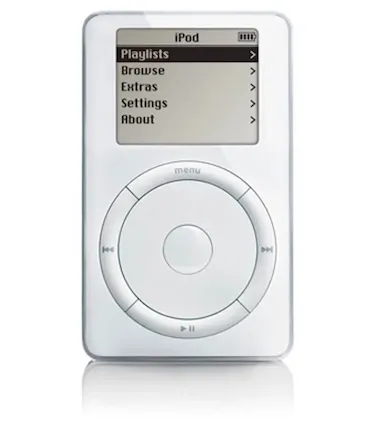
The 2000s were a renaissance for Apple. The company redefined how people interacted with media and technology, starting with the iPod in 2001. While portable digital players existed, the iPod married simplicity with style and created an entirely new paradigm for music consumption. Paired with iTunes, it reshaped the music industry and foreshadowed Apple’s ecosystem strategy.
Equally transformative was the launch of the Apple Store — not just a retail outlet, but a space where users could experience Apple’s vision firsthand, fostering unprecedented brand loyalty. The decade also saw the transition to Mac OS X, a modern operating system that combined stability with a polished graphical interface, and the shift to Intel processors, which expanded Mac’s performance capabilities and software compatibility.
The iPhone Era: Redefining the Modern World (2007–2010s)
When Apple introduced the iPhone in 2007, few could have predicted the sweeping impact it would have on technology and society. The smartphone redefined how people communicate, work, and create. Its multi‑touch interface and seamless software integration set a new standard that competitors rushed to emulate.
The App Store, launched in 2008, created an ecosystem where developers could build rich experiences for users, fueling innovation across industries. From entertainment to productivity, apps transformed the way we interact with our devices. The later debut of the iPad extended this revolution to tablets, further expanding Apple’s influence in education and creative fields.
The 2010s–2020s: Ecosystem Expansion and Silicon Revolution
In the decade following the iPhone’s ascendancy, Apple broadened its ecosystem while deepening its integration between software and hardware. The Apple Watch introduced wearables as a mainstream category, focusing on health and everyday utility. Services like iCloud, Apple Music, and Apple TV+ tied devices together, encouraging users to remain within Apple’s ecosystem for a seamless experience.
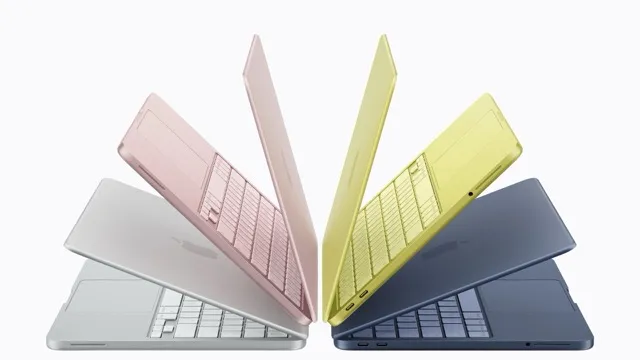
Arguably the most significant recent milestone was Apple’s transition to Apple Silicon, beginning with the M1 chip in 2020. Custom‑designed processors dramatically improved performance and efficiency, reinforcing Apple’s strategy of tightly integrated hardware and software.
Apple’s Most Iconic Products of All Time
Throughout its 50‑year history, certain products have left an indelible mark on both technology and culture. These include the Apple I and II, Macintosh, iMac, iPod, iPhone, iPad, Apple Watch, and Vision Pro — each representing a pivotal shift in what computing could be.
The “Think Different” Philosophy: Design Meets Technology
At the core of Apple’s longevity is its commitment to a philosophy of design — the belief that technology should not just work, but feel meaningful. This idea, famously encapsulated in the “Think Different” campaign, reflects Apple’s fusion of technology and liberal arts, emphasizing user experience as much as raw capability.
Apple’s Cultural Impact Beyond Technology
Apple’s influence extends far beyond devices. Its products shaped creative industries, transformed education, and redefined digital media consumption. The company’s design language and ecosystem approach have influenced competitors and inspired generations of creators and technologists alike.
Challenges at 50: What Apple Still Needs to Solve
Despite its success, Apple faces new challenges in areas like artificial intelligence integration, competition from other tech giants, and regulatory scrutiny. Navigating these while staying true to its ethos will define the next chapter of innovation.
Conclusion
Apple’s 50‑year journey is a story of innovation, resilience, and cultural impact. From a garage in California to a global leader in technology, Apple’s legacy is shaped by its willingness to challenge convention and inspire creativity. For retro technology enthusiasts, the company’s early products evoke a sense of wonder — and its influence continues to echo through the devices we use today.
FAQs
What year was Apple founded?
Apple was founded on April 1, 1976, in a small garage in California by Steve Jobs, Steve Wozniak, and Ronald Wayne.
What were Apple’s first products?
The Apple I and Apple II were the company’s earliest products, pivotal in the personal computing revolution.
Why is the Macintosh significant?
The Macintosh introduced the graphical user interface to a broad audience, making computers easier to use and setting
How does Apple celebrate its 50th anniversary in 2026?
Apple celebrated with animated homepage features, global events, and community reflections on its history and future.